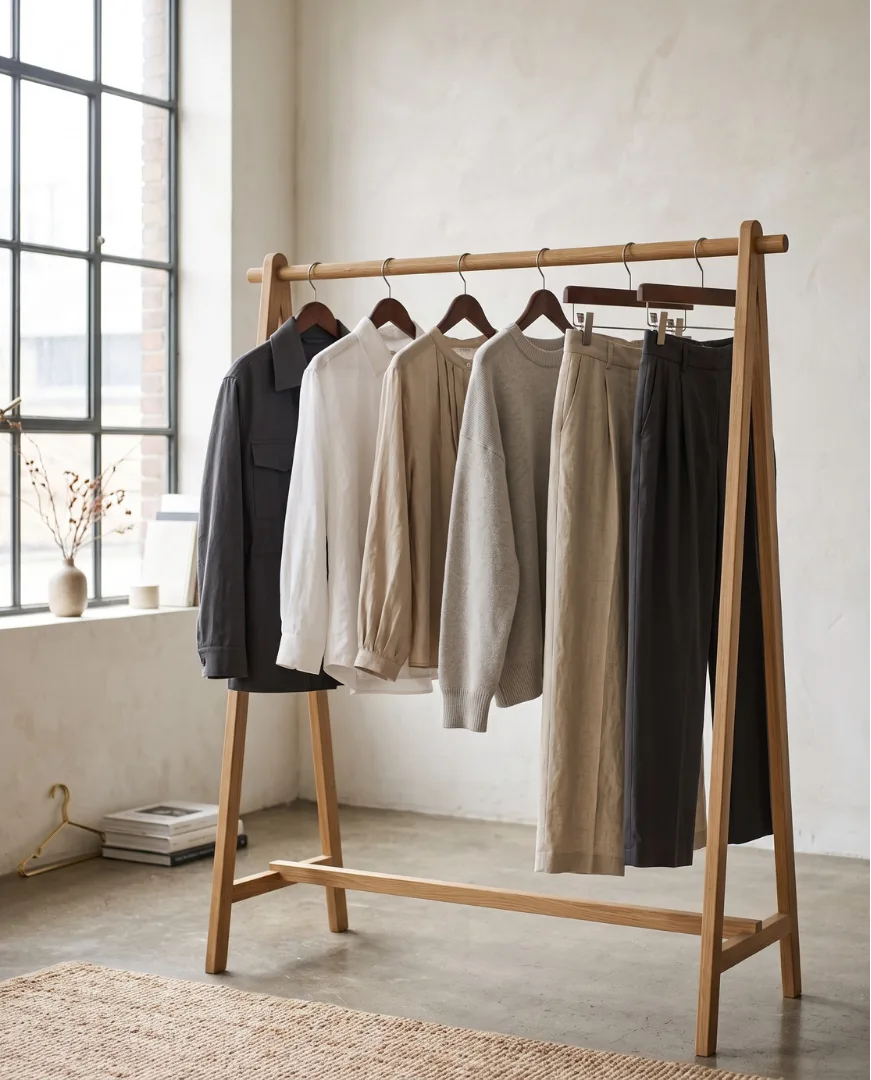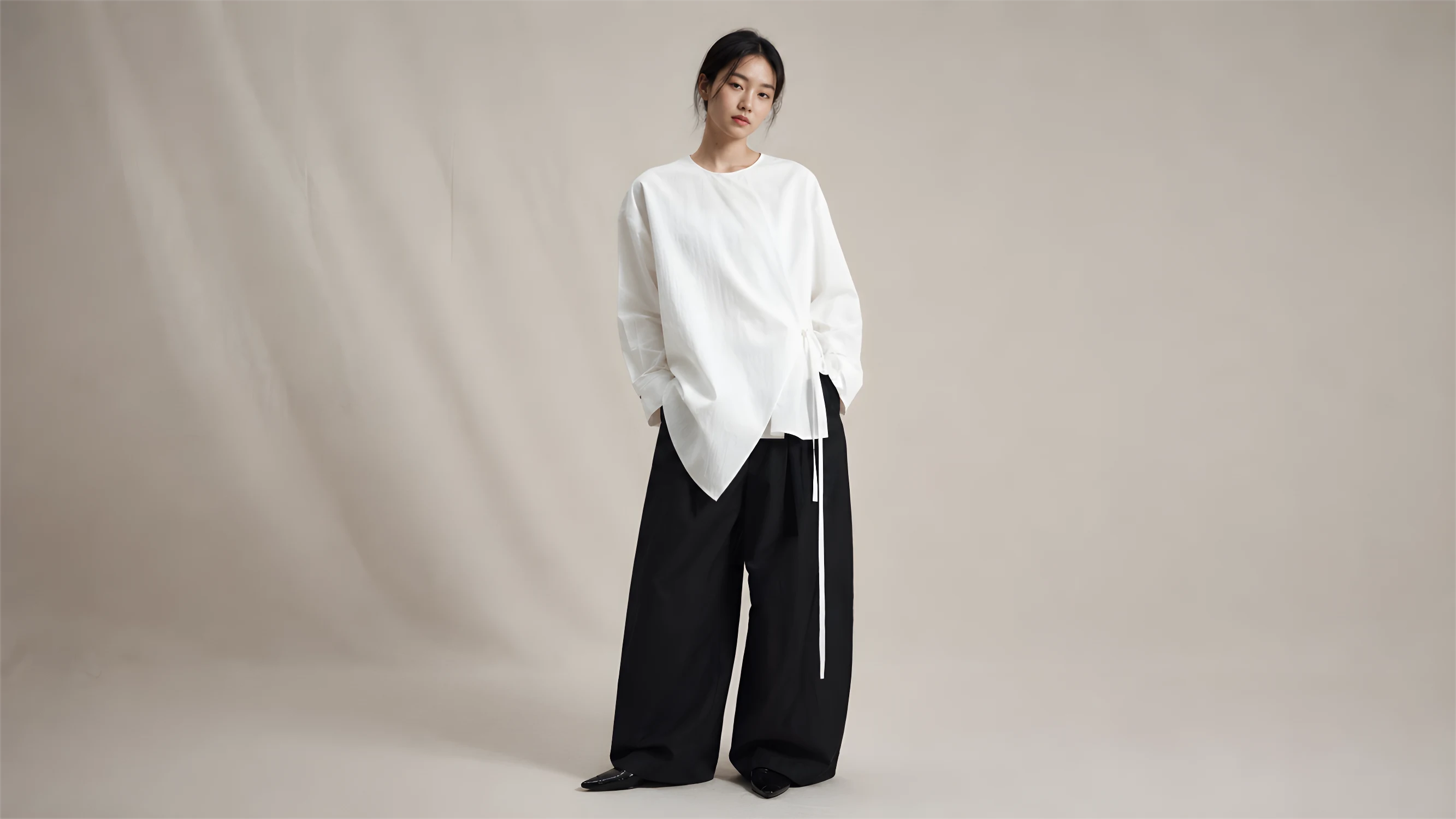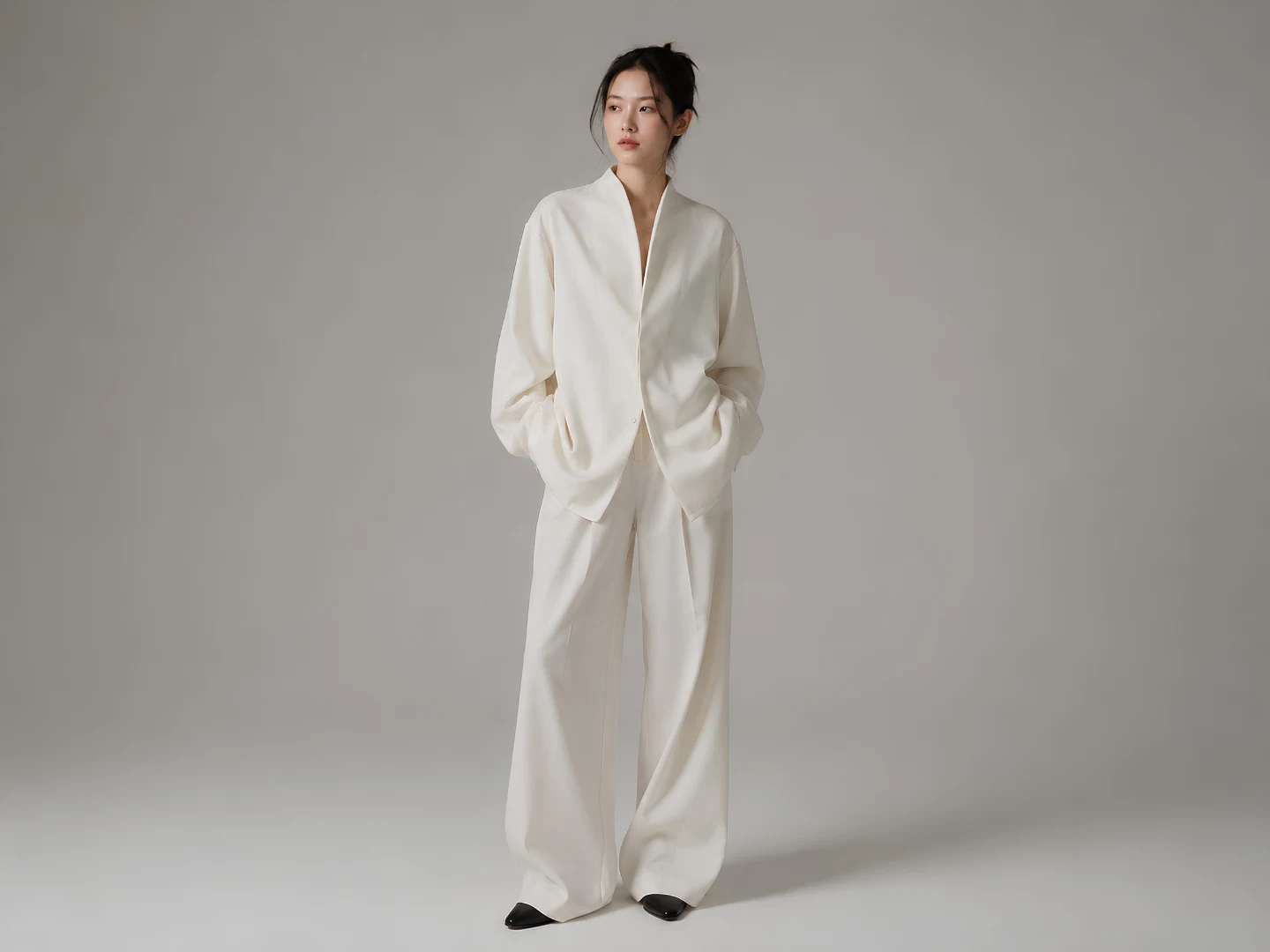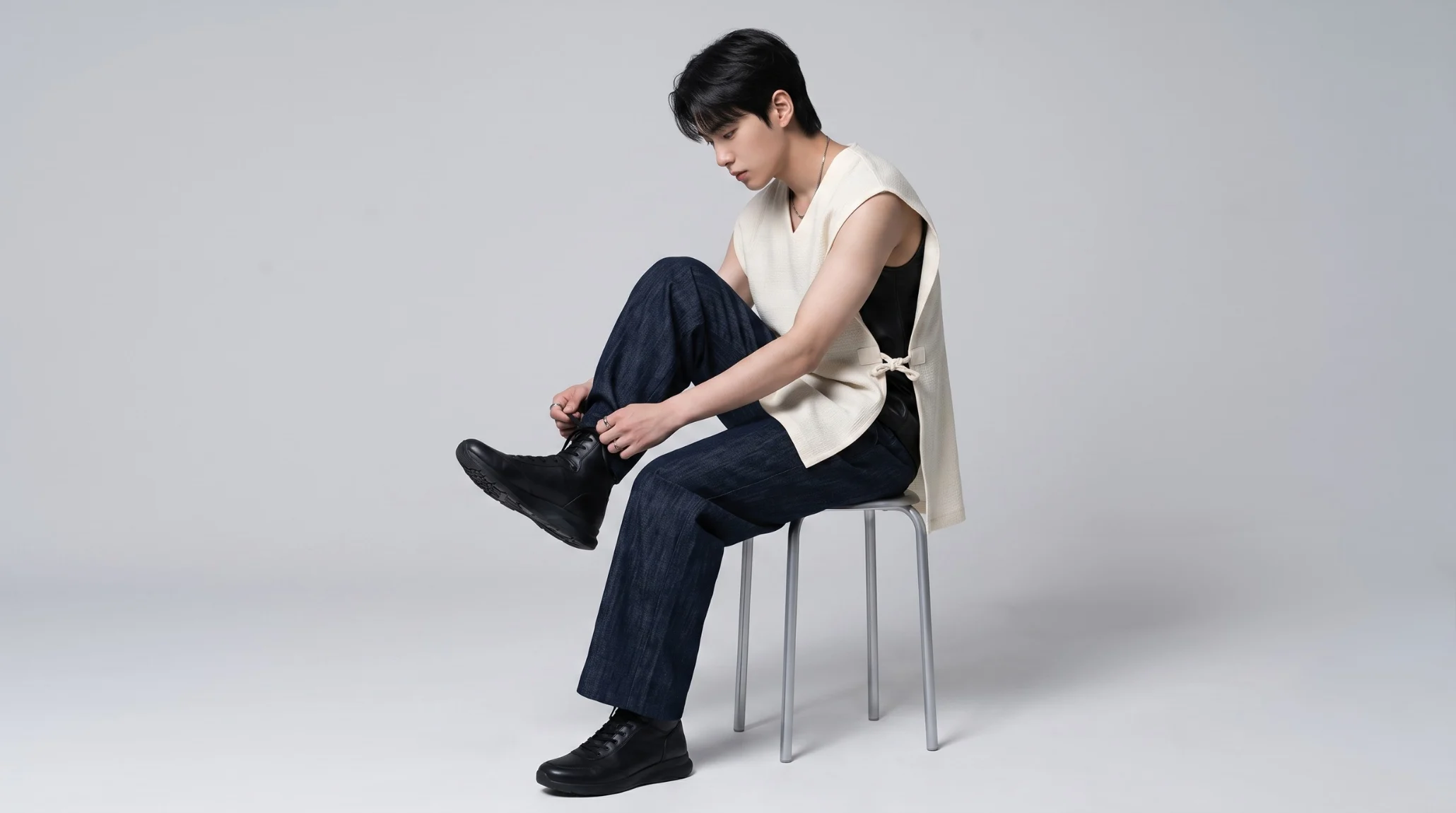
When people talk about Korean style, the focus often falls on neutral colors or oversized cuts. In reality, the single most deciding factor is the fabric. A clean-looking Korean silhouette is almost always supported by fabric with the right drape, thickness, and movement response.
Therefore, understanding fabrics will make your shopping decisions better. You can see which items look good only in photos, and which will actually work on your body.
Find a balance between structure and movement
The ideal fabric for a Korean minimalist style is usually not too stiff, but not too limp either. It is structured enough to hold its shape, yet still moves when worn.
Some of the safest options:
- dense cotton for shirts and clean trousers
- lightweight twill for jackets and slacks
- light wool or wool blends for smart outerwear
- rayon blends for a soft drape
Understand fabric functions for each item
Each clothing category requires a different fabric character.
- Shirts: should be lightweight, breathable, and still hold the shoulder line.
- Pants: need a clean drape so wide-leg or straight cuts look sharp.
- Outerwear: needs enough fabric body so layering looks intentional.
- Knitwear: ideally soft but doesn’t quickly lose its shape.
If the goal is a wardrobe worn repeatedly, the material must support the silhouette without making you feel uncomfortable while wearing it.
Avoid fabrics that look "right" but feel wrong
Some fabrics look great on the hanger but are less convincing when worn. For example:
- fabrics that are too thin, causing a boxy silhouette to look floppy
- shiny polyester that ruins the quiet, matte look of minimalist styling
- stiff materials that make layering feel heavy
Issues like these often make an outfit look immature even if the color and model are correct.
Fabrics determine layering quality
Good layering always involves fabrics of different weights. Outerwear should be slightly more substantial than the inner layer. Shirts need to be light enough to move, but not so thin that they disappear when layered. For tropical climates, this is directly related to Korean style layering for tropical weather.
Pay attention to care instructions
A minimalist style only looks clean if the fabrics can be kept neat. Before buying, consider:
- is it prone to wrinkling?
- does it pill quickly?
- does it require dry cleaning?
- is the shape stable after washing?
If you want a long-lasting wardrobe, continue to premium clothing care.
Conclusion
Choosing fabrics for a Korean minimalist style means reading texture, drape, and function, not just color and model. When the material is right, silhouettes will look cleaner, layering will feel livelier, and the entire wardrobe becomes easier to maintain and more enjoyable to wear in the long run.