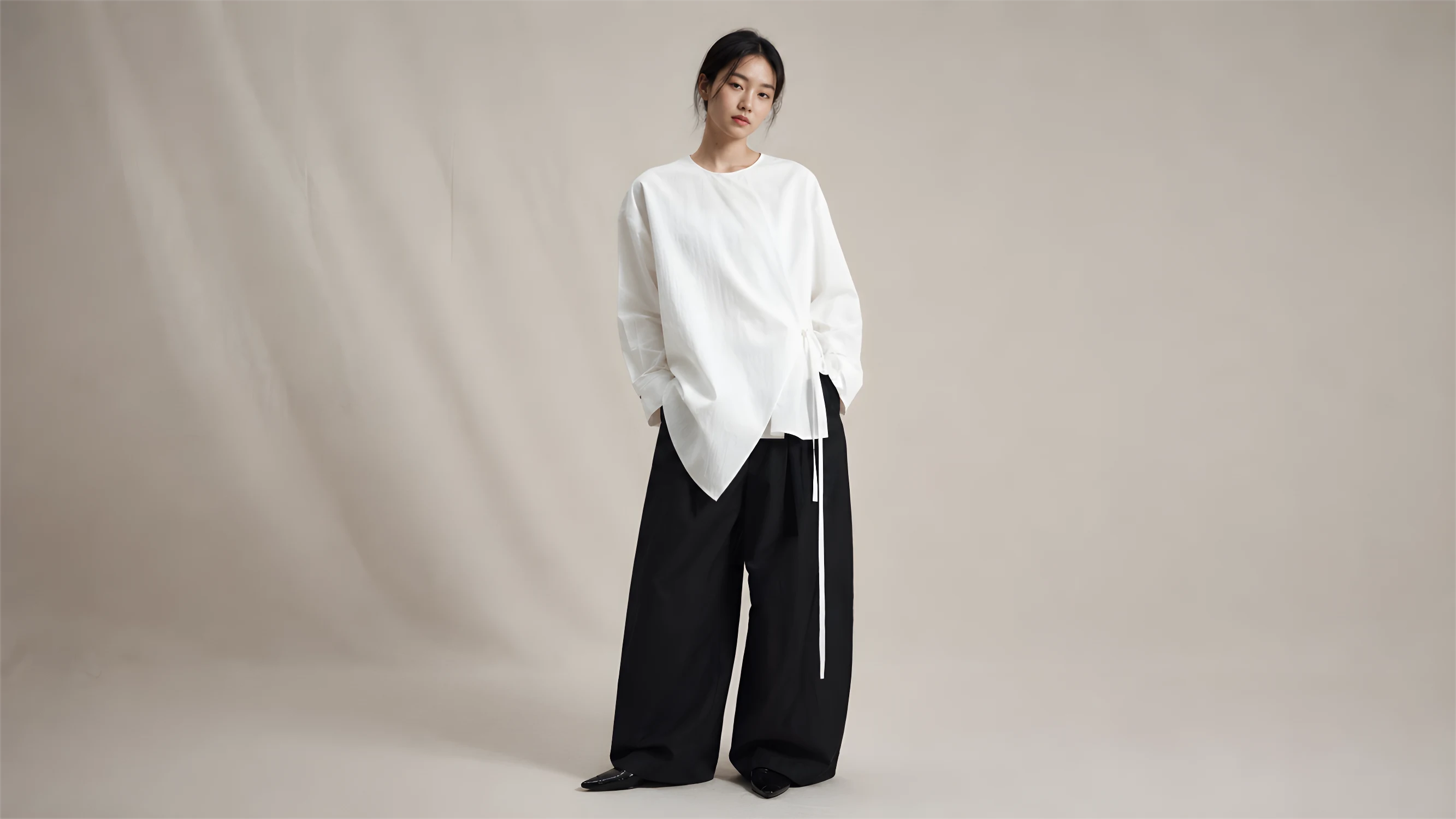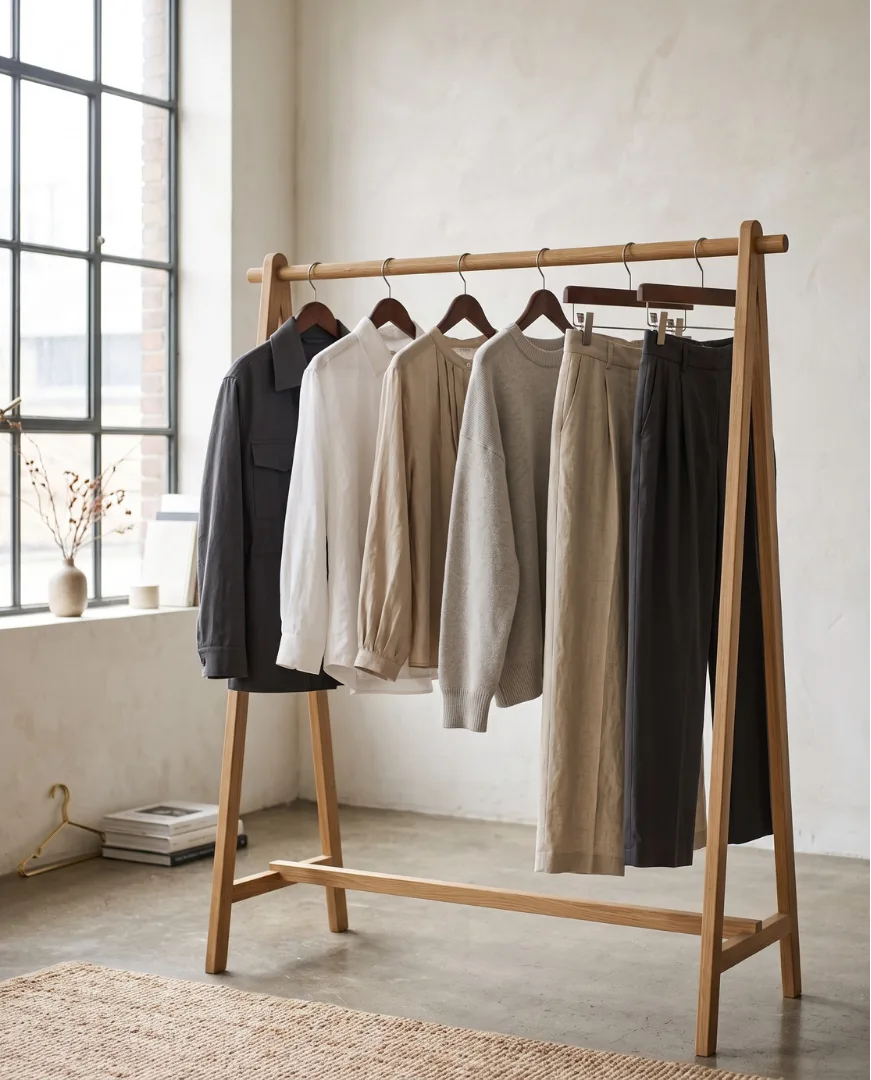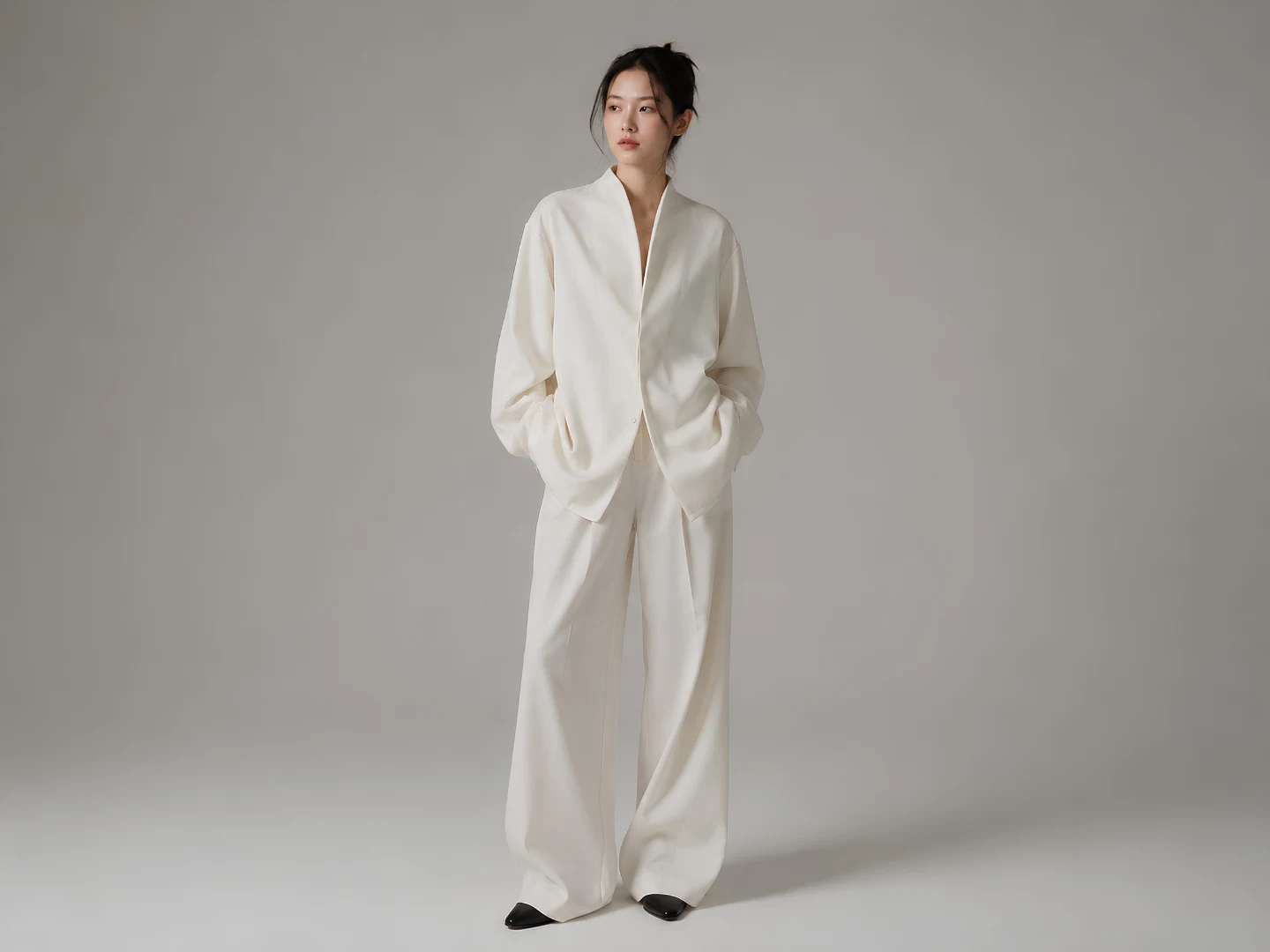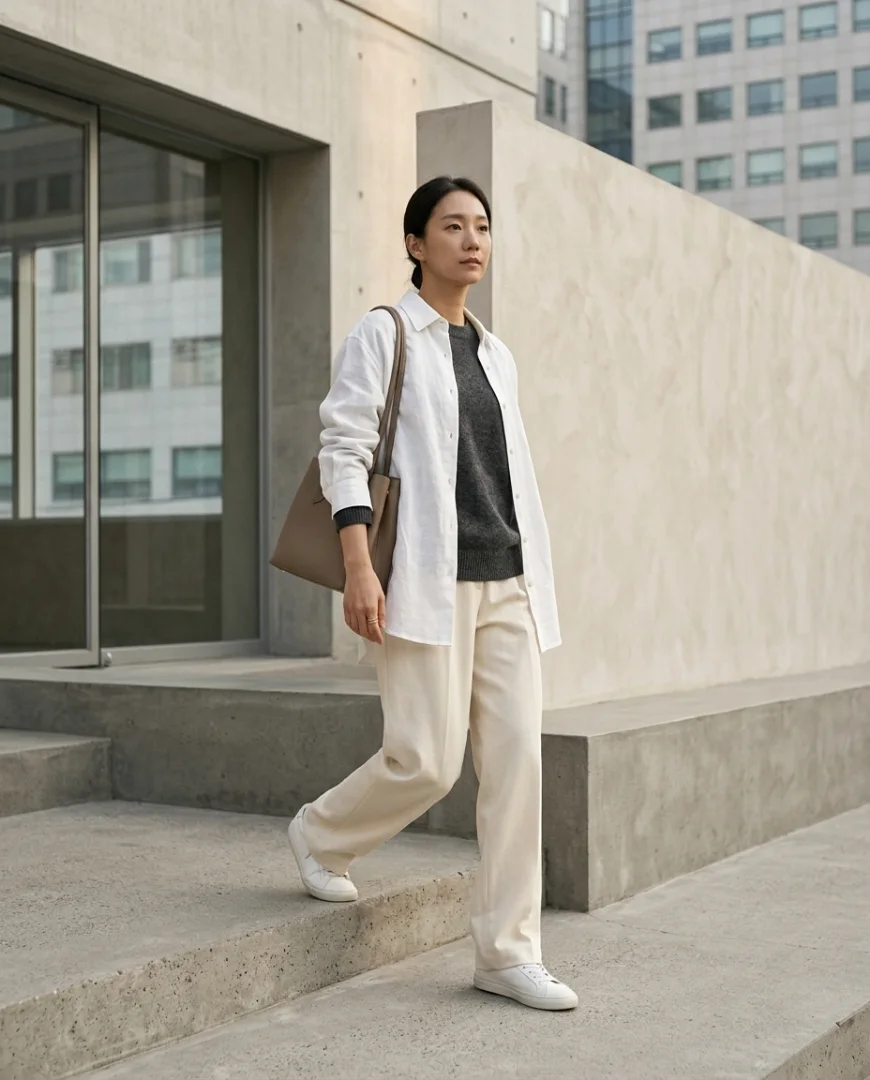
One of the most appealing features of Korean style is its ability to build dimension through layering. However, in hot climates, many people avoid it for fear of looking too hot or feeling uncomfortable. This concern is valid, but the problem usually lies in the choice of fabrics and the number of layers, rather than the concept of layering itself.
Successful layering in tropical weather relies on discipline: thin layers, controlled colors, and cuts that allow room to breathe.
Start with the right inner layer
The base of layering must be light and breathable. T-shirts that are too thick will make the outfit hot quickly, while synthetic fabrics that do not absorb sweat will feel sticky.
Safe inner layer options:
- fine cotton t-shirts with clean cuts
- sleeveless inner tops that do not add bulk
- lightweight shirts with a soft structure
Use middle layers that provide shape
The middle layer is the area that most determines the Korean feel. Here you can wear:
- an open shirt over a t-shirt
- a thin cardigan
- a lightweight zip-up jacket
- a neat vest
The key is not to choose layers that are too heavy or too long. The right proportions will keep the outfit breathable.
Choose outerwear only if necessary
Not all Korean outfits need to be capped with outerwear. In hot climates, two layers are often more than enough. If you want outerwear, choose something lightweight with a soft structure. The full guide is in choosing Korean outerwear for daily layering.
Play with lengths and textures
Layering becomes interesting when each layer has a visual job. For example:
- short inner + longer shirt
- clean t-shirt + short boxy jacket
- thin knit + straight skirt with a different texture
Small differences in length and texture provide depth without making the outfit look cluttered.
Keep colors simple
The more layers you have, the more important controlled colors become. Muted neutrals like off-white, light grey, charcoal, navy, and beige will help the outfit feel calm. If every layer has a strong, different color, the look will quickly feel heavy.
Conclusion
Korean-style layering in tropical climates is not about copying Seoul’s autumn literally. The approach must adapt to local heat, mobility, and dressing habits. With the right inner layer, lightweight fabrics, and disciplined proportions, you can still get the dimension of Korean style without sacrificing comfort.